NOAA normal Anchorage averages about 77.9 inches of snow a season (1991–2020)Deep cold Anchorage averages about 18 nights a year at or below 0°FAnchorage rule Occupants must clear snow and remove or treat ice on adjacent public sidewalksSupply More than 90% of freight coming into Alaska arrives by ship or bargeEst. treated salt Pre-treated bulk salt usually runs $20–$50 a ton over plain rock saltEst. salt brine Salt brine by the gallon: roughly $0.20–$0.40, before deliveryEst. bagged rock salt Pallet of 49 × 50 lb rock salt bags: roughly $240–$330Est. ice melt pallet Pallet of 49 × 50 lb blended ice melt: roughly $430–$600Rule of thumb Plain rock salt slows way down below about 15°F pavement temperatureFall pre-buy Lock in tons and pickup or delivery before the first storm, not during itNOAA normal Anchorage averages about 77.9 inches of snow a season (1991–2020)Deep cold Anchorage averages about 18 nights a year at or below 0°FAnchorage rule Occupants must clear snow and remove or treat ice on adjacent public sidewalksSupply More than 90% of freight coming into Alaska arrives by ship or bargeEst. treated salt Pre-treated bulk salt usually runs $20–$50 a ton over plain rock saltEst. salt brine Salt brine by the gallon: roughly $0.20–$0.40, before deliveryEst. bagged rock salt Pallet of 49 × 50 lb rock salt bags: roughly $240–$330Est. ice melt pallet Pallet of 49 × 50 lb blended ice melt: roughly $430–$600Rule of thumb Plain rock salt slows way down below about 15°F pavement temperatureFall pre-buy Lock in tons and pickup or delivery before the first storm, not during it

Price figures are estimates from public bids and published price lists, not quotes. Where these numbers come from

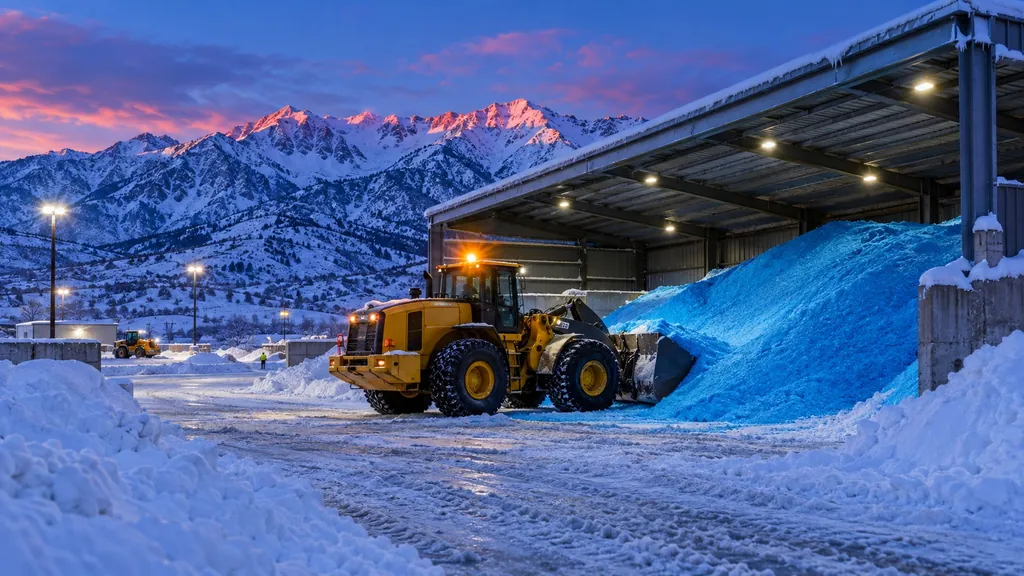
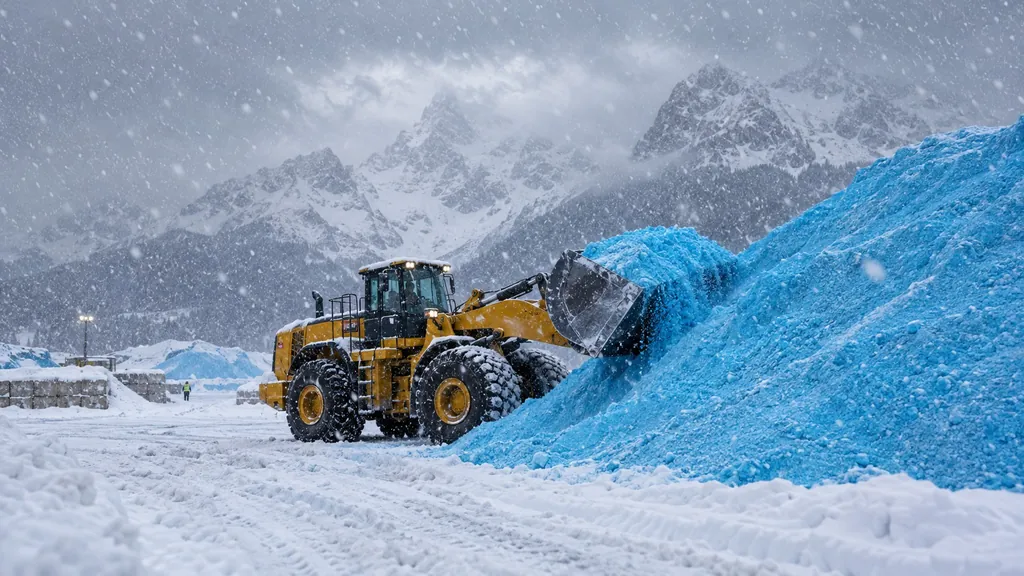
Yellow wheel loader pushing a tall pile of blue treated salt at a snowy yard below jagged mountains in falling snow
Ice control · Anchorage · Mat-Su · Kenai

Sand for traction. Liquids for the cold. Salt where it still works.

Bulk ice-control sand, rock and treated salt, magnesium and calcium chloride, brine and pallets of ice melt for snow contractors, property managers and facilities from the Anchorage Bowl and Eagle River to Wasilla, Palmer, Kenai and Soldotna.

  • Cold-rated picksSand, calcium and mag blends for subzero mornings
  • Pre-season supplyFreight comes north by sea, so lock in tons early
  • Dark-hour loadingStorm-night loading when a big event hits
Urgent salt request

How much, where, and when?

When do you need it?

No obligation. Availability and pricing are confirmed on your quote. Planning a whole season instead?

Southcentral cold-snap selector

What to put down, by pavement temperature

Pavement temperatureWhat tends to work in Southcentral
Above about 15°FSalt brine before the storm; rock or treated salt on walks and entrances.
About 0°F to 15°FMagnesium or calcium chloride blends; sand pre-wetted with a liquid so it embeds.
Below 0°FSharp, washed sand or aggregate for traction; calcium chloride for spot melting at doors and ramps.
Glaze over hard-packPre-wet sand at intersections, hills and entrances; liquids where chlorides are limited.

Pavement temperature, not air temperature. Ranges are commonly cited practical limits, not lab eutectic points. Anchorage averages about 74 freeze-thaw days a year in our count of NOAA data (Palmer about 82, Kenai about 90), so melt-and-refreeze matters as much as deep cold.

Southcentral winters

Sand first, liquids second, salt where it fits

Anchorage does winter differently. The Municipality and the state lean on traction and targeted liquids, and the rules for walks are strict.

Loader working a blue salt pile under a covered shed at a mountain yard at blue hour

Municipal streets

The Municipality uses washed sand aggregate for traction, magnesium chloride in targeted spots, and potassium acetate downtown.

State highways

Alaska DOT&PF in Anchorage anti-ices with 23.3% salt brine and pre-wets sand so it sticks to the road.

Sidewalk duty

Occupants next to public sidewalks and accessible parking must clear snow and remove or treat ice (AMC 24.80.090).

Studs: Oct 1 in town

State law allows studs north of 60° N from Sept 16, but Anchorage city limits wait until Oct 1.

Summarized from muni.org (Street Maintenance and AMC 24.80.090), Alaska DOT&PF and the Alaska DMV. General information, not legal advice.

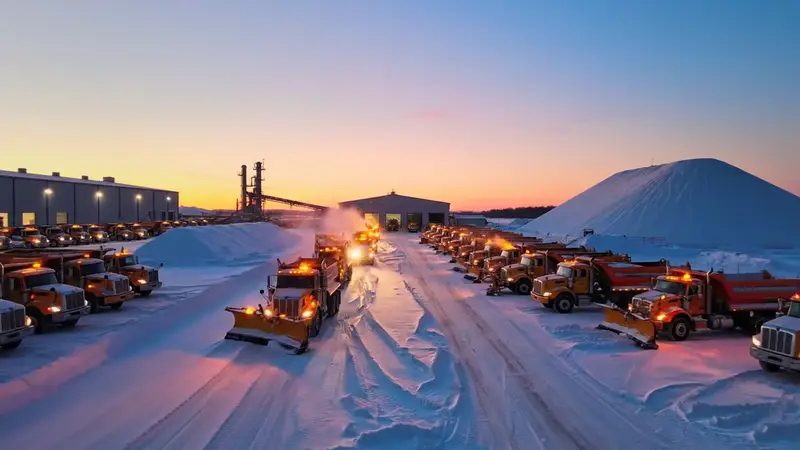
Aerial flyover of plow trucks lined up beside a salt pile at a snowy yard at dawn
Long nights, short days

Most of the work happens in the dark

Around the winter solstice Anchorage gets roughly five and a half hours of daylight. Lots get plowed, sanded and treated by headlight, and black ice hides well under sodium lights. Plan the route, treat entrances and ramps first, and keep material staged so a cold snap never catches you short.

  • Plow before you salt, every pass
  • Treat ramps, entrances and shaded drives first
  • Brine ahead of the storm so the first push comes up clean

Ice-control sand, salt and cold-weather liquids for the Municipality of Anchorage, the Matanuska-Susitna Borough and the Kenai Peninsula Borough. Tell us the tons and the date, and we'll confirm availability and price on your quote.

Ice control is safety work. A timely, documented program protects people and shows reasonable care. Colored treated salt makes every application visible.

Wholesale de-icing materials

Everything a snow and ice crew, property manager or city crew puts down, sold by the ton, the gallon or the pallet.

Bulk rock salt

Bulk rock salt

Plain sodium chloride by the ton. The workhorse for lots and roads above about 15°F.

More →
Custom treated & colored rock salt

Custom treated & colored rock salt

Rock salt coated with liquid deicer and dye. Works colder, bounces less, and shows where it went.

More →
Liquid deicer & brine

Liquid deicer & brine

Anti-icing before the storm and pre-wetting at the spreader. By the gallon or tanker.

More →
Bagged salt & ice melt

Bagged salt & ice melt

Bagged rock salt, ice melt blends, mag and calcium chloride and pet-safe melt, by the pallet or the bag.

More →

Alaska Snow & Ice Guide Snow & ice equipment, tires & chains

Deicer chemistry

Salt, mag, calcium or potassium?

Four chlorides do almost all the work on Alaska pavement. The right one depends on pavement temperature, the surface and what's growing next to it.

NaClSodium chlorideRock salt. Lowest cost; slows sharply below about 15°F pavement.
MgCl₂Magnesium chlorideWorks colder, commonly cited to about −5°F to −10°F; often gentler on plants.
CaCl₂Calcium chlorideThe cold specialist, commonly cited to about −20°F to −25°F. Fastest; follow label rates.
KClPotassium chlorideWeak in real cold (best above about 20°F–25°F); gentler on plants.

Treated salt is rock salt pre-coated with one of these liquids so it works colder, starts faster and bounces less. Dyed or colored material doesn't melt better; it proves where you applied, which matters when a liability claim arrives.

Full deicer comparison table

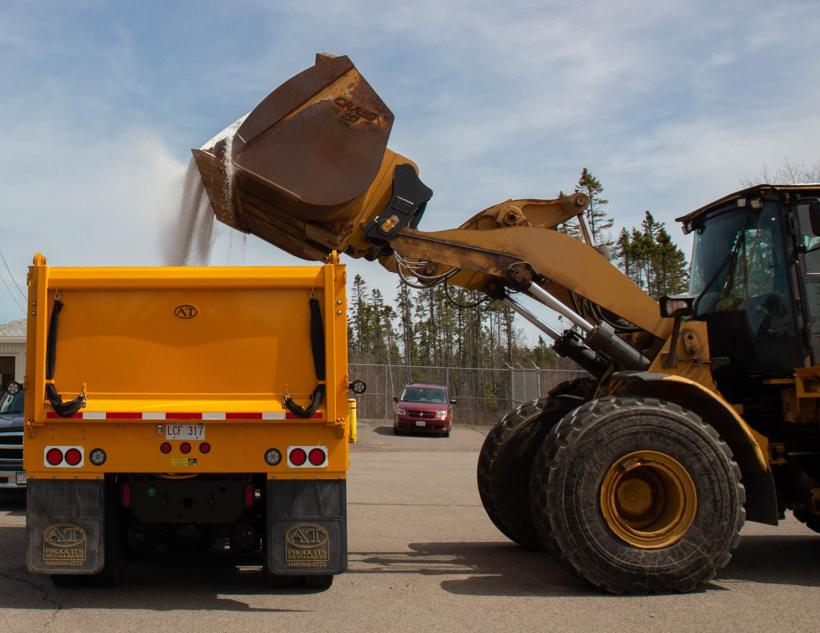
Wheel loader filling a truck with bulk material inside a large covered storage building

Storm-night loading

Storms don't keep office hours. When a major event is forecast, loading hours stretch so contractors can refill spreaders and V-boxes at 2 a.m. instead of waiting until morning, when the lots are already glazed.

Seasonal contract customers get first place in line when supplies get tight. Ask about storm loading in your quote.

See pre-buy and seasonal contracts

Public works

Shed running low mid-season?

Alaska cities and boroughs buy sand and deicer through their own bids. When a big snow year outruns your stockpile, ask for sand, salt or liquids for pickup or delivery.

Public works resupply Request a quote

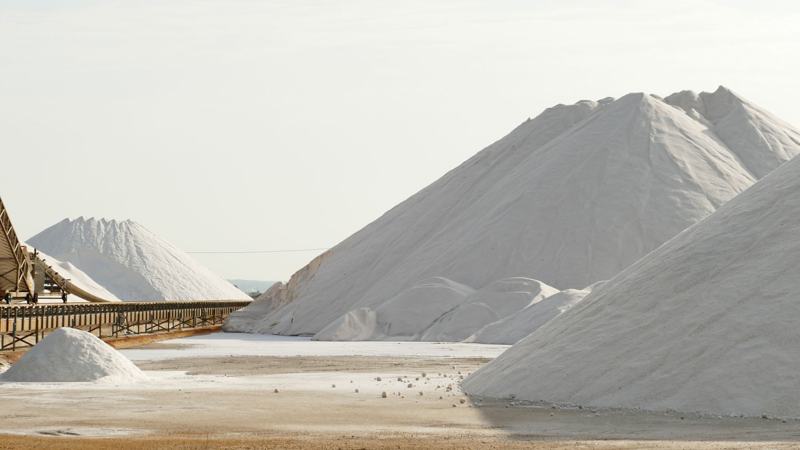
Large white salt stockpiles at a bulk salt facility
Storm-priority list

Get in line before the storm, not during it

When a big event is on the radar, the people already on our list hear from us first: material availability, loading hours, and a heads-up text before the storm. Free, no contract, and you can drop off anytime.

Featured: custom treated and colored rock salt

Plain rock salt, coated with liquid deicer and dye. The liquid gets it working colder and faster and keeps it from bouncing off the pavement. The dye shows exactly where it went, so your crew stops over-applying, your client can see the lot was done, and a dated photo backs up your records if a slip-and-fall claim shows up months later.

How it's made and why

Large salt stockpile and conveyor at a bulk salt yard

Ice control is safety work

Every lot, sidewalk and loading dock you treat is somebody's walk to work, a delivery driver's path, a patient's ride to the clinic door. Ice control protects people first and property second. It's also how contractors and owners show they took reasonable care when a slip-and-fall claim shows up months later.

People

Ice on walks, steps and entrances is where falls happen. Getting material down before the freeze and keeping it working through the storm is the whole job.

Liability and claims

A documented, timely application program is one of the strongest positions a contractor or property owner can be in when a claim is filed. Colored treated salt helps: you can see it was applied, and so can a photo.

Property

The right material at the right rate protects concrete, landscaping, vehicles and buildings. Over-applying wastes money and does damage. Under-applying leaves ice.

Crew clearing snow from a city sidewalk in winter

This is general information, not legal or insurance advice. Ask your insurer and attorney what records they want you to keep.

Specialty de-icing

Signature blends for Alaska lots

Beyond plain rock salt: treated, colored and specialty materials made for the conditions Alaska crews actually face. Each one is built for a job, from cold-snap lots to clinic entrances.

Signature

Glacier Blue

Treated & colored rock salt

Base
Plain rock salt (sodium chloride)
Treatment
Magnesium chloride liquid, sprayed and blended at the yard
Color
Blue dye, so you can see coverage
Working range
Keeps working below the ~15°F point where plain rock salt stalls. How far depends on the blend
Application
Start at your quote/label rate and calibrate. Treated salt usually lets crews cut back from plain-salt rates
Best for
Commercial lots, medical and retail walks: anywhere proof of service matters
Sold as
Bulk by the ton, delivered or loaded
Signature

Evergreen

Ag-blend treated rock salt

Base
Plain rock salt
Treatment
Agricultural (beet-juice style) liquid blend
Color
Green tint
Working range
Colder and faster than plain rock salt; less bounce and scatter
Application
Calibrate to what you see on the pavement
Best for
Routine events on lots and drives where you want less waste
Sold as
Bulk by the ton
Cold specialist

Arctic Cal

Calcium chloride

Chemistry
Calcium chloride pellets or flake
Working range
Commonly cited to around −20°F to −25°F
Speed
Fastest of the common deicers; gives off heat as it dissolves
Application
Follow the label rate. Overuse can leave a slick residue
Best for
The coldest days, steps and entrances
Sold as
50 lb bags, by the pallet or the bag
Blend

Polar Mag

Magnesium chloride

Chemistry
Magnesium chloride flake or liquid
Working range
Commonly cited to around −5°F to −10°F
Plants and concrete
Generally gentler on plants than rock salt at normal rates
Application
Follow the label rate
Best for
Walks near landscaping, cold snaps, salt treatment
Sold as
Bags by the pallet; liquid by the gallon or tote
Liquid

Clearline Brine

Salt brine & liquid deicer

Chemistry
Sodium chloride brine; blended liquids on request
Use
Anti-icing before the storm, pre-wetting at the spreader, direct liquid on light events
Working range
Brine works best on warmer pavement. Blends with mag or calcium chloride go colder
Application
Calibrate sprayers to the job; don't apply ahead of rain that will wash it off
Best for
Big lots and routes, and keeping snow from bonding
Sold as
By the gallon, tote or tanker
Walks

Walk-Safe

Pet-safe & blended ice melt

Chemistry
Blended and pet-safe ice melts (varies by product; check the label)
Use
Walks, steps, entrances, apartments, clinics
Application
Hand spreader or walk-behind at the label rate
Best for
High-foot-traffic doors and anywhere dogs walk
Sold as
Bags, by the pallet or the bag

Signature names are our product lines. Exact liquids, dyes and pack sizes depend on season and supply; your written quote lists the blend. Temperature ranges are commonly cited practical ranges, not guarantees. Follow product labels.

How we treat and color salt Choosing a deicer by temperature

More than a salt yard

Learn it, gear up, watch the radar

Big operations

Fleets, city yards and multi-site contracts

Running a city yard, a multi-site contract or a lineup of plow trucks and loaders across Anchorage and Southcentral Alaska? Lock in your season's tons before the first storm. We quote bulk rock salt and treated salt by the load or by the season, and confirm availability and price on your quote.

Rows of orange plow trucks staged at a salt yard at dusk
Loader beside a blue treated salt pile at a mountain yard at blue hour

Plan a season pre-buy Public works resupply

Images are illustrative.

No salt barn? No problem.

Most snow contractors don't have covered storage. So they buy a few tons at a time, burn hours driving to the yard between pushes, and run short right when the storm peaks.

Bulk delivery fixes it. Material gets dropped at your shop, your lot or the customer's site in loads sized to the season. Pair it with storm-night loading for top-offs, and your trucks spend the night spreading instead of waiting in line.

  • Drops sized to your space: a few tons on a pad, a tarp-covered pile or a full semi load
  • Scheduled refills through the season, so you're never chasing material
  • Extended loading hours during major snow events
  • Bagged pallets delivered with the bulk for walks and entrances
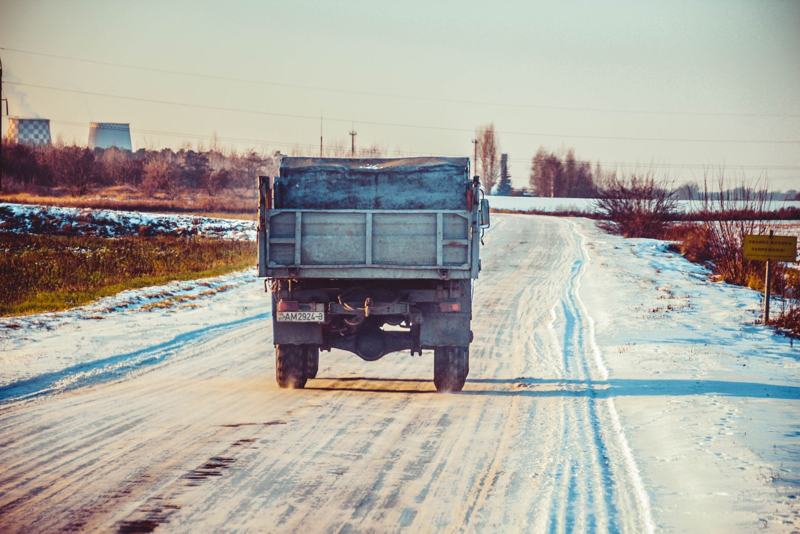
Dump truck driving down a snow-covered rural road in winter
Software & tools

Snow software, sorted by what it's best at

Snow software is good at different things. We grouped the tools by strength, so you can pick the one that fits how you run.

Compare snow software Read our Yeti overview

Who buys from us

Snow and ice contractors

Bulk and treated salt by the ton, brine for pre-treating, and pallets for walks. Delivered or loaded, with fall pre-buy pricing. Pre-buy →

Property managers and HOAs

Material for in-house crews, pallets for entrances and a steady supply plan for the season, so your walks never go untreated.

Cities, counties and schools

Emergency resupply when your supply runs short mid-season, plus seasonal contracts. Public works →

Delivery area

Anchorage, Eagle River, the Mat-Su Valley and the central Kenai Peninsula, with other road-system locations by quote.

Questions contractors ask

Do I need my own salt storage to buy bulk?

No. That's the point of delivery. Bulk salt can be dropped in loads sized to your season and your site, so you aren't buying a barn or making a run every storm. Tell us your tons per season and where you plow, and the quote will spell out drop sizes and timing.

Can I load out during a storm, at night?

Storm-night loading is part of the service. When a big event is coming, loading hours are extended so contractors can top off trucks and spreaders when they actually need material. Ask about storm loading when you request your quote.

What is the minimum order?

It depends on the product and whether it's pickup or delivery. Pickup can be as small as a spreader load. Delivered bulk usually has a minimum. Your written quote will list it.

Does salt even work in Anchorage?

Sometimes. Rock salt slows sharply below about 15°F pavement, and brine works best on pavement at about 15°F or warmer. That's why Southcentral crews lean on sand for traction and use liquids such as magnesium chloride, calcium chloride or potassium acetate when it's colder or when chloride limits matter.

Do you sell ice-control sand?

Yes. Ask for washed or screened sand and sharp aggregate for traction, and pre-wet it with a liquid so it embeds instead of blowing off. Your quote lists material, minimums and timing.

When can I run studded tires in Anchorage?

State law bars studs on paved roads north of 60° N from May 1 through September 15. The Municipality of Anchorage doesn't allow them inside city limits until October 1. Check current rules before you change over.

Why pre-buy before winter?

Most freight bound for Alaska comes north by ship or barge, so a long cold snap can outrun local stock. Locking in tons early is the simplest way to avoid a mid-winter shortage.

Do you work with cities, counties and school districts?

Yes. Public works crews can request a quote for emergency resupply when their own supply runs short mid-season, or for a seasonal contract. See the public works resupply page.

Why do the prices on this site say estimate?

Because they are. The ranges come from public bid results and published price lists. Your price depends on product, tons, delivery distance and timing. Only a written quote is a price.

Does ice control really cut slip-and-fall risk?

Timely, documented ice control is one of the main things a property owner or contractor can do to keep people from getting hurt and to show they took reasonable care. It doesn't replace good judgment, inspection or your insurance advice, but it is the job.

Alaska Deicing Supply badge

The land is our life.

— Gladys Evanoff, Dena'ina elder
Proudly serving Alaska

Built for Alaska winters

Sand, salt, liquids and gear for the snow crews, property managers and facilities that keep Anchorage, the Mat-Su and the Kenai moving through long, dark winters.

Get a quote See where we deliver

Coming soon: Alaska Deicing Supply Gear. Caps, hoodies, tees and beanies with this badge. See it in the store →

Talk to real snow people

Get a wholesale quote

Talk to people who've run plows at 3 a.m. We know what it's like when the shed is empty, the radar is lit up and your clients expect dry walks by 7. Tell us what you need, and you'll get a straight answer and a written quote, not a sales pitch.

  • Fast delivery. Bulk dropped at your site, sized to your season, so you don't need a salt barn.
  • Storm-night loading. Extended loading hours when a big event hits.
  • Storm-priority list. Get in line for resupply before the storm, not during it.
  • See it first. Ask for a yard visit and see the treated salt in person.
  • Fall pre-buy and seasonal contracts. Lock in tons before the first flake.

Quotes are answered by a wholesale supplier serving Anchorage, Eagle River, the Mat-Su Valley and the Kenai Peninsula. Final prices, minimums and delivery area are on your written quote.

Contractor quote

Wholesale bulk de-icing material. Takes about a minute.

Products
Delivery or pickup
Make it easy on yourself
Thanks. Your request was sent. Expect a written quote soon.

No obligation. Your details are used only to answer this request.

Share this page TextFacebook XLinkedIn Email
Need salt now? Get a quote